
In short
- The monuments are split into two clusters: Gopachal Parvat and Siddhachal Caves.
- Artisans carved these rock-cut figures between the 7th and 15th centuries.
- Some statues in the Siddhachal group reach up to 60 feet tall.
In this article
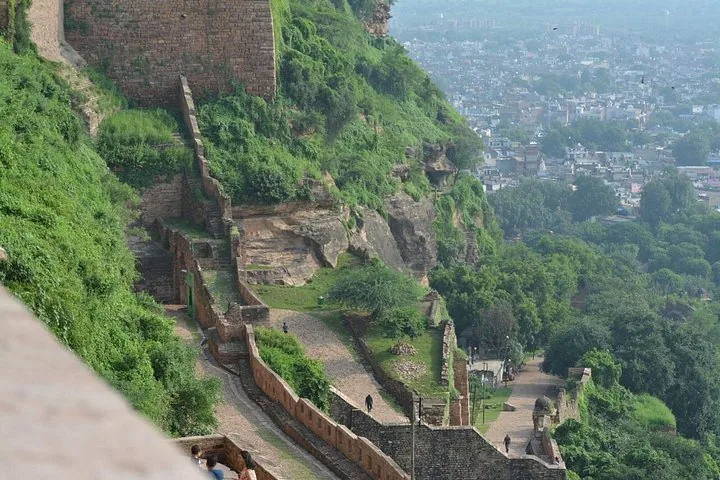
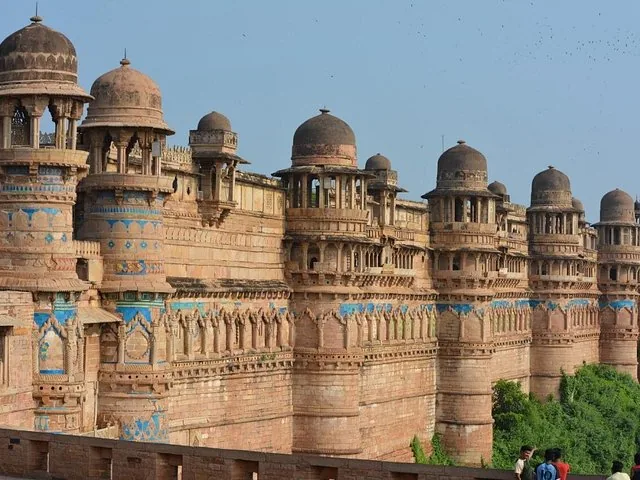
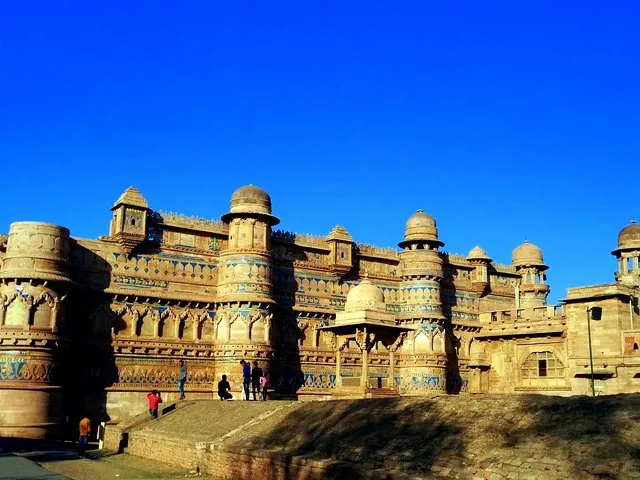
The rock-cut Jain monuments at Gwalior Fort form a vast open-air gallery along the steep approach paths. Carved into the 3-kilometer-long sandstone plateau, these towering figures require a short hike or a quick taxi ride to access. They offer a distinct historical contrast to the palaces at the top of the hill.
How many Jain statues are at Gwalior Fort?
You will find over 100 rock-cut Jain statues along the fort's exterior walls.
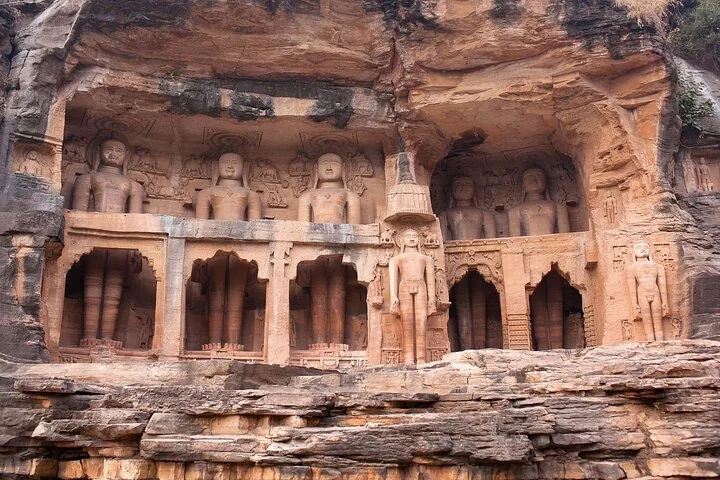
These figures are divided into two main geographic clusters. The Gopachal Parvat group sits on the southeastern side. The Siddhachal Caves group lines the steep road near the Urvai Gate.
Where is the Gopachal Parvat group located?
The Gopachal rock-cut monuments are located on the southeastern slope of the fort hill.
This cluster features massive Tirthankara colossi carved in both seated and standing postures. Plan to spend about 30 minutes exploring this area. The soft morning light offers the best conditions for photography before the sun peaks.
Where are the Siddhachal Caves statues?
The Siddhachal statues flank the steep Urvai Gate approach on the western side of the fort.
You will pass these figures if you take a local taxi or auto-rickshaw up to the fort. Some of these statues are enormous, reaching nearly 60 feet in height. Exploring this specific group takes another 30 minutes.
When were the Gwalior Fort Jain sculptures created?
Artisans carved these rock-cut monuments between the 7th and 15th centuries.
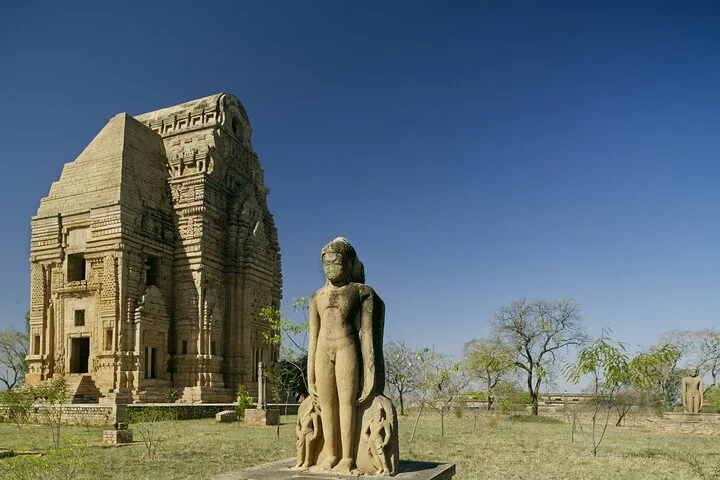
The majority of the massive Tirthankara colossi at Gopachal Parvat date specifically to the 15th century. Workers carved them directly into the solid sandstone plateau that supports the main fortress above.
Who damaged the Jain statues at Gwalior Fort?
Emperor Babur ordered the defacement of many statues in 1527.
Despite the historical damage ordered by the Mughal emperor, the local Jain community later led extensive restoration efforts. You can still see signs of the 16th-century destruction alongside these subsequent repairs today.
What are the rules for visiting the sculptures?
Visitors must never touch or deface the ancient rock-cut sculptures.
Follow all standard Plan your visit rules while walking the approach paths. Drones, alcohol, and large backpacks are strictly prohibited. Wear comfortable walking shoes with good grip to navigate the uneven terrain safely.
Questions travellers ask
Can I drive a car to see the Siddhachal Caves?
Yes. You can hire a local taxi or auto-rickshaw to drive up the Urvai Gate approach. The ride from the city center costs INR 100 to INR 200 and passes right by the Siddhachal Caves group.
Do I need a separate ticket for the Jain sculptures?
No. Viewing the rock-cut monuments along the approach paths does not require a separate ticket. Recent listings give INR 75 for Indians and INR 250 for foreigners; confirm at the counter.
How much time is needed to see the Jain statues?
Allocate about 30 minutes for the Gopachal Parvat group and another 30 minutes for the Siddhachal Caves. Visiting the entire fort complex takes 3 to 4 hours in total.