In short
- Teli Ka Mandir is the fort's tallest structure at about 100 feet.
- Sas-Bahu consists of twin 11th-century archless temples.
- Teli Ka Mandir blends North and South Indian styles.
In this article
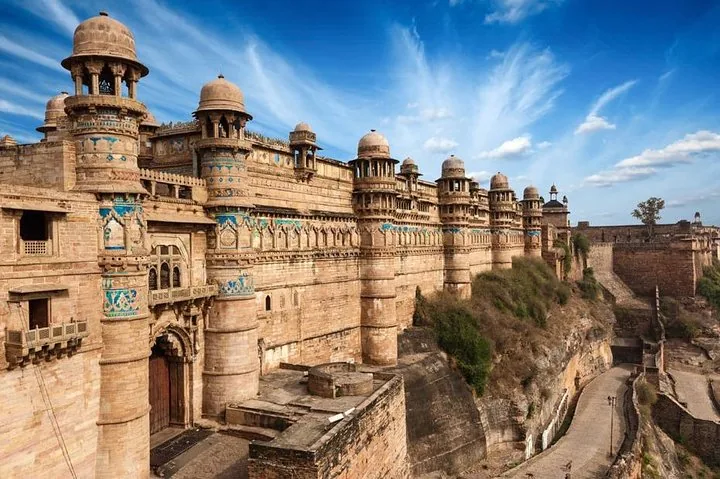
Both sites sit inside the Gwalior Fort complex but represent different eras and styles. Teli Ka Mandir is an older, towering 9th-century structure. The Sas-Bahu temples are an 11th-century pair known for their detailed pyramidal roofs.
What architectural styles do they use?
Teli Ka Mandir mixes North and South Indian elements, whereas the Sas-Bahu temples feature an archless design with pyramidal roofs.
Teli Ka Mandir features a North Indian base topped with a South Indian Dravidian roof. This fusion makes it structurally unique. The Sas-Bahu temples rely entirely on pillars and beams instead of arches.
Which temple is older?
Teli Ka Mandir was built in the 9th century, making it older than the 11th-century Sas-Bahu temples.
The 9th-century Teli Ka Mandir stands as the tallest building inside the fort complex. The Sas-Bahu temples, originally called Sahastrabahu, were constructed later in the 11th century.
What are the main details to see at each site?
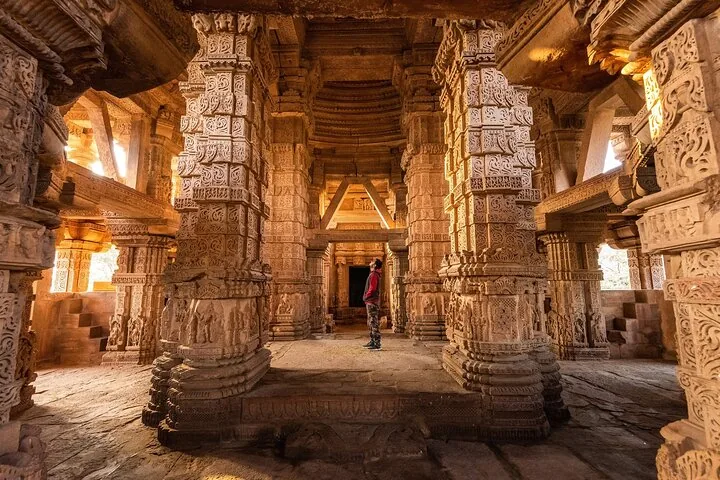
Teli Ka Mandir has exterior carvings of river goddesses, while the larger Sas-Bahu temple features a carved ceiling.
Walk around Teli Ka Mandir to spot carvings of flying garudas on its outer walls. At the Sas-Bahu complex, step inside the larger of the two shrines. You will find deeply carved ceilings and intricate pillars.
Who are the temples dedicated to?
The Sas-Bahu temples are dedicated to Lord Vishnu.
The original name Sahastrabahu translates to a form of Lord Vishnu. The intricate twin temples serve as shrines for this deity. Teli Ka Mandir also features prominent carvings relating to Hindu traditions.
How long should I spend at each temple?
Plan for 20 minutes at Teli Ka Mandir and 30 minutes at the Sas-Bahu temples.
Teli Ka Mandir is largely appreciated from the outside due to its towering 100-foot frame. The Sas-Bahu temples require slightly more time. You will want to explore the interiors of both the larger and smaller twin structures.
Do I need separate tickets for these temples?
No, both temples are included in the standard Gwalior Fort entry ticket.
Recent listings give INR 75 for Indians and INR 250 for foreigners; confirm at the counter. Children under 15 enter for free. This single ticket grants access to the expansive mini-township, including both of these temple sites.
Questions travellers ask
Why is Teli Ka Mandir famous?
It is the tallest structure inside Gwalior Fort at about 100 feet. It is famous for blending a North Indian base with a South Indian Dravidian roof.
Are large bags allowed inside the temples?
No, large backpacks and luggage are strictly prohibited inside the Gwalior Fort premises. Bring a small daypack instead.
What should I wear to visit these temples?
Wear modest clothing that covers your shoulders and knees. This is recommended for entering active temples in the complex.